
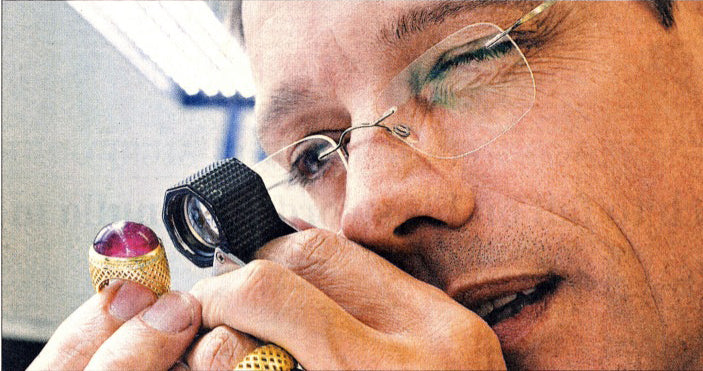
Discreet charm of clever crown work -
Originally published in The Australian, November 26, 2008, by Sharon Krum
Sharon Krum in New York explains the allure of Australian-born jewellery designer Ray Griffiths's work
As you would imagine, Ray Griffiths has a very specific memory of the day Arnold Schwarzenegger walked into Rox, a fine jewellery store in Sydney's Strand Arcade.
"He came in to buy some gold earrings for his wife, Maria Shriver. He was so big he could barely get through the door," Griffiths says of the former action star turned California Governor. This was when Griffiths, 52, a jewellery designer, gemologist and De Beers award finalist now based in New York, was designing at Rox, "and just about everybody came through".
"It was such a well known store," he says. "At one stage, I remember we had [jewellery featured in] six magazine covers on the stand at once."
Asked to describe his designs today, he speaks of "clean shapes, very modern. This work I'm doing now harks back to the traditions where I started."
Griffiths worked at Rox for 18 years before packing his life into a shipping container and moving to New York in 1997. The container was lost along the way and his possessions never recovered, but rather than lament his lost luggage, the jeweller viewed the unfortunate incident as a positive twist of fate.
"The problem in Australia for me was I really wanted to make fabulous, elaborate jewellery and the market was not big enough for it," he says. A little more than a decade later, he has covered Whoopi Goldberg, Toni Collette, Brooke Shields, Anne Hathaway and Debra Messing in his gold and precious gem pieces, which draw on classical Victorian jewellery and are sold in 46 US stores.
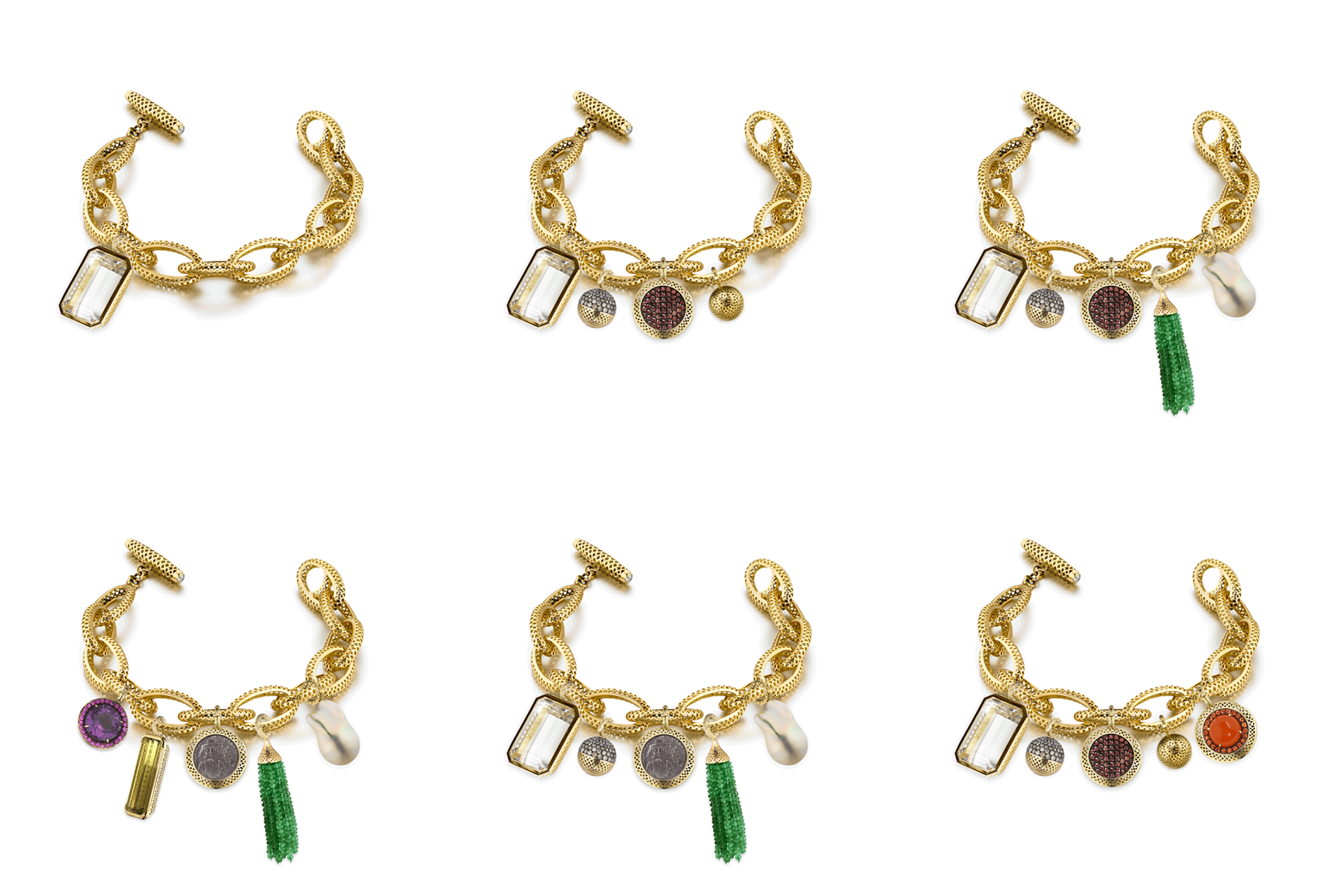
His designs have been featured in US Vogue, InStyle and Town & Country magazines, and last year The New York Times' Critical Shopper columnist gushed: "I was stunned by the work of Ray Griffiths … his bracelets are jaw-dropping: almond-size drops of blue topaz, smoky quartz and peridot, set in gold latticework reminiscent of Faberge eggs … simultaneously regal and trippy, something Prince William might buy to court the gilded bohemian Sienna Miller." For jewellers in particular, it's never a bad thing when your designs and royalty are mentioned in the same sentence.
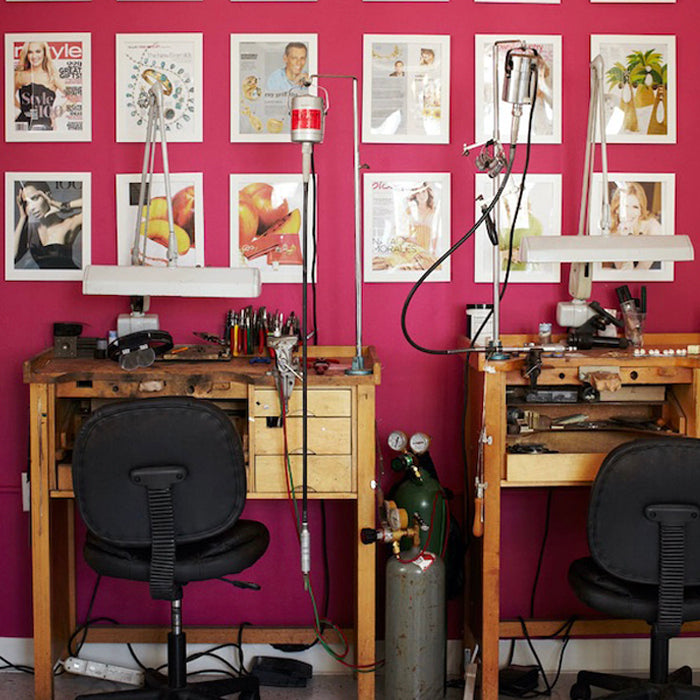
"When I first started, people said to me: 'You need a million bucks to start a fine jewellery business in the US,'" Griffiths says in his tiny studio on Fifth Avenue, which nevertheless accommodates a chandelier, two safes and two workbenches.
"So I put down $US10,000 and thought: 'Well, I have the rest of my life to make this work.'" The reason it has worked for Griffiths, whose manner is ebullient yet determined, can be traced back to skills he learned through the apprenticeship he began at 15 at Melbourne jeweller Dunklings. He describes as very "old-world traditional" the experience through which he was schooled in the restoration of classic tiaras, rings, brooches and crown work, the substructure of tiaras and crowns.
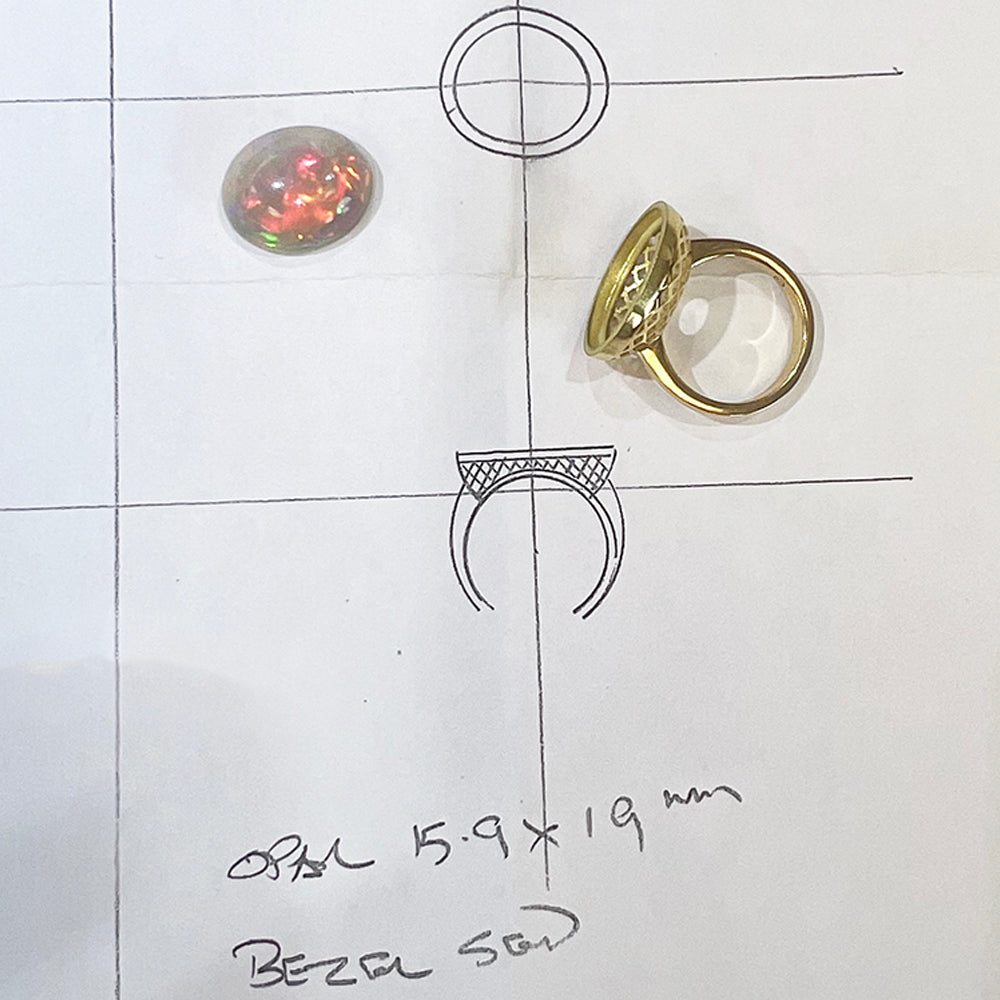
"Crown work takes the weight out of an object and gives it beauty and detail," he says.
Before launching his own line, Griffiths was told American buyers and consumers looked for a cohesive collection with a signature.
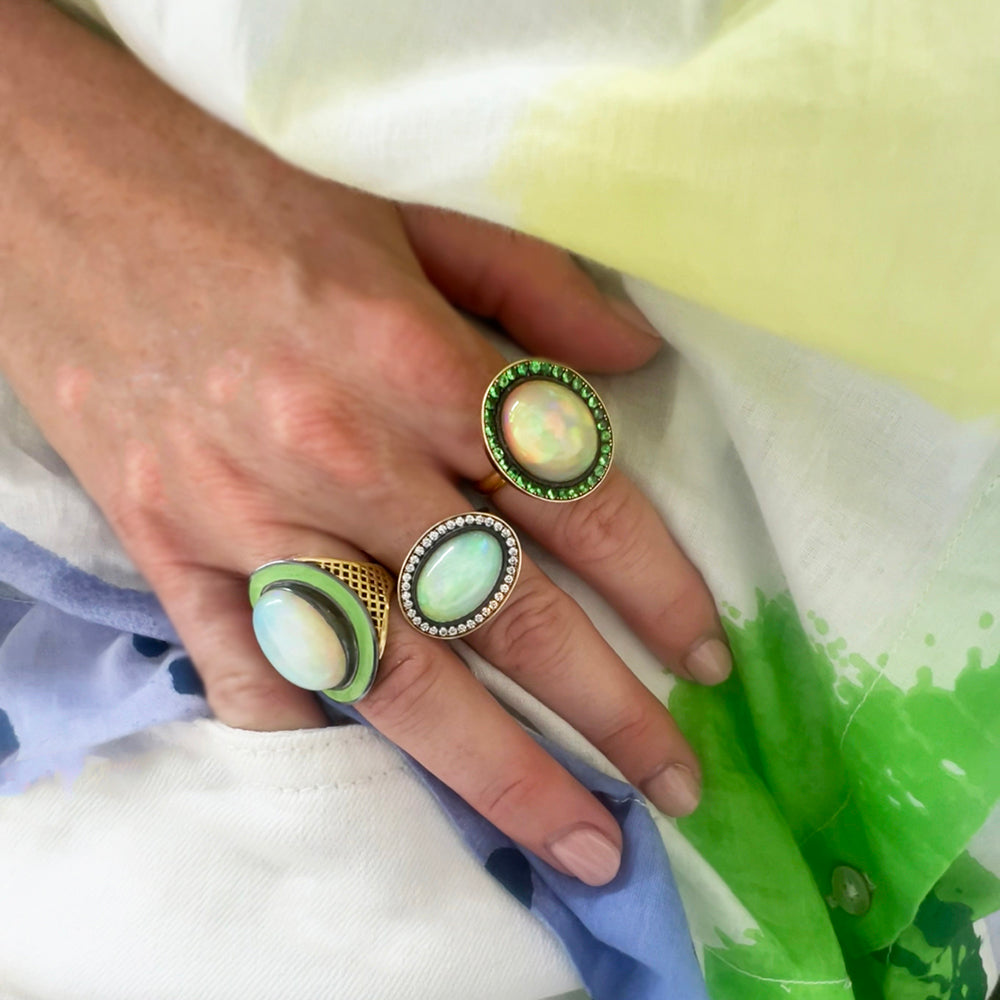
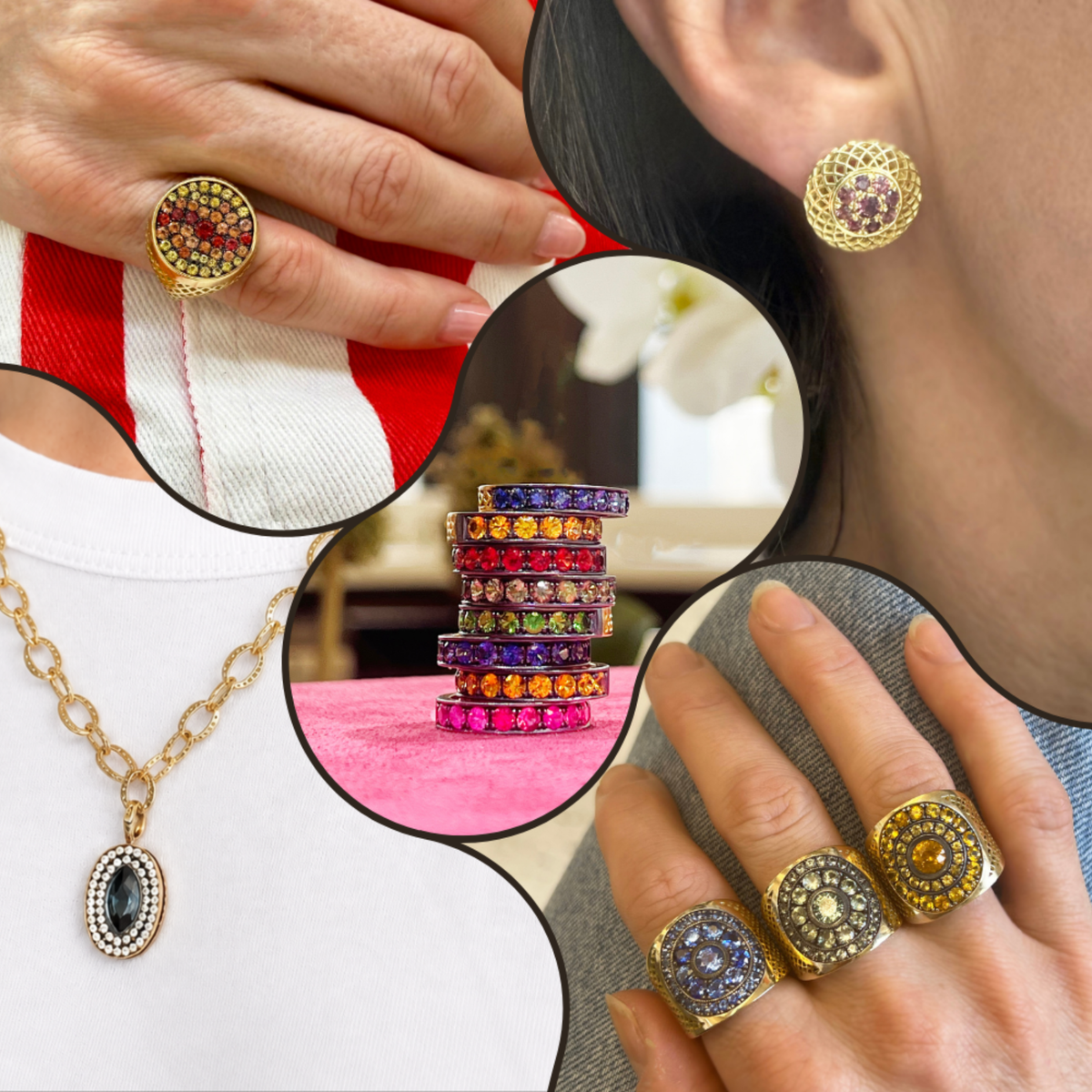
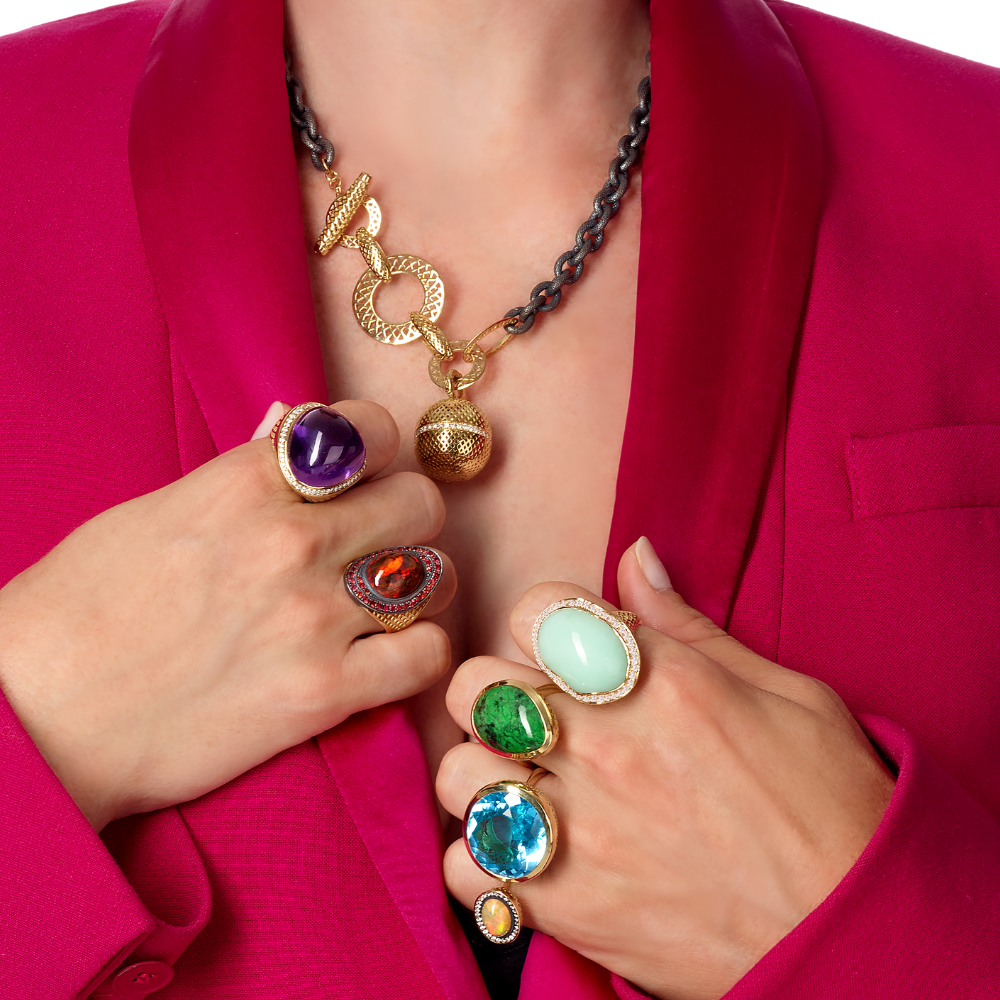
"So I thought, jewellery has been so clean and linear for so long, but it's becoming more decorative. Why not crown work again?" Today the crosshatch crown work visible on the bezels of Griffiths's gem rings, bracelets and the new gold link chains and hoop earrings "is incorporated in everything I do and identifies it as my work".
"I've dressed [television] anchors in Ray's jewellery at the Oscars, Grammys and Emmys," says Jeisohn Fiala, the stylist at Fox News in New York. "His pieces are unique. It's the crown work that's mentioned."
A strong influence on Griffiths's round, square cut or teardrop earrings, petal gem bracelets and cocktail rings is turn-of-the-century Europe.
"What I like is to take traditional techniques, the idea of heirloom pieces, and give it a clean, modern, edge," he says.
Griffiths admits to being infatuated with gems, working with classics such as diamonds, peridots and topaz, as well as with the more unusual Australian chrysoprase or rhodochrosite, and stalactite from caves in Argentina. The most expensive stone he has handled was a $US20,000 ($30,000) Cambodian zircon.
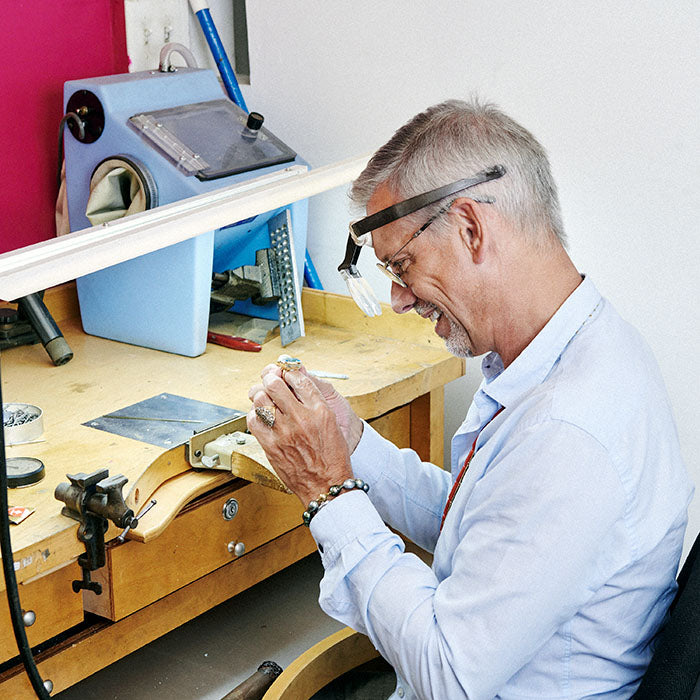
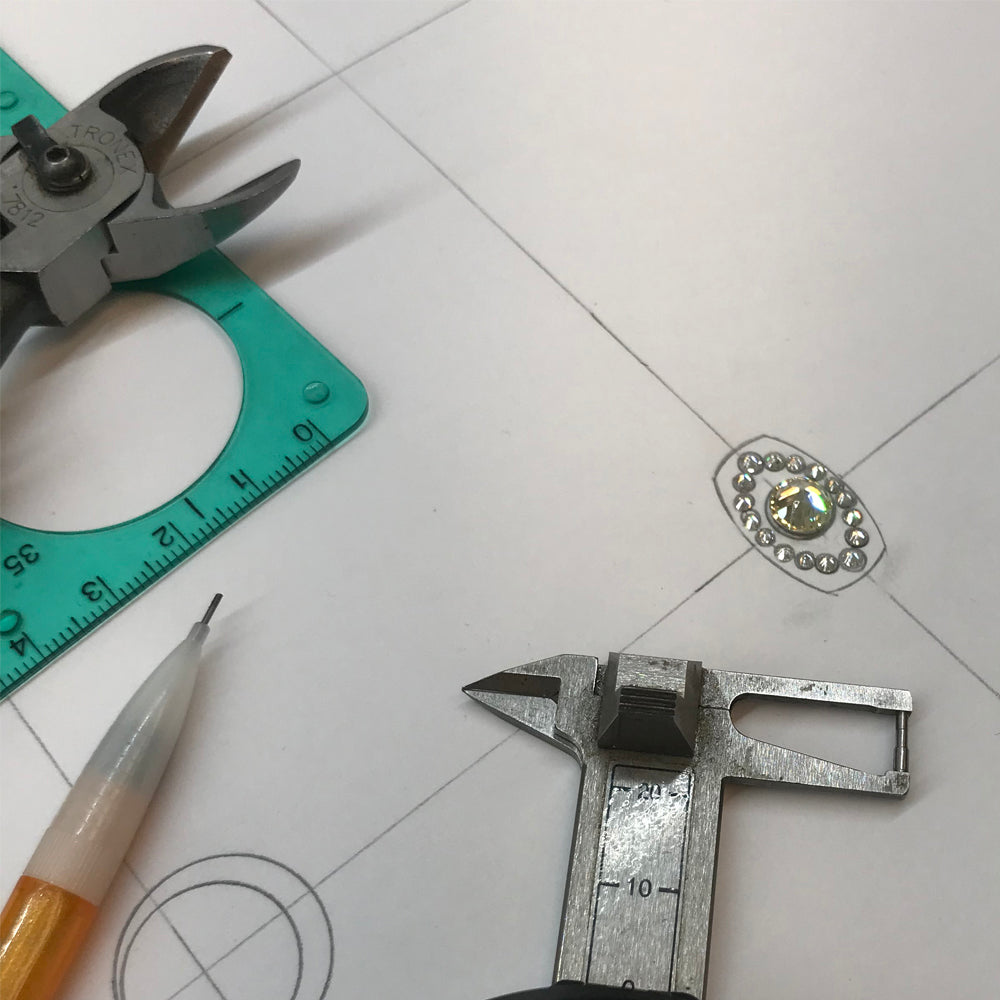
He has his gems cut to measure, makes the master (original), has it cast, then assembles pieces by hand with the help of his assistant.
The jeweller works in 18K gold, 22K gold, platinum and sometimes silver, with necklaces running from $US5000 to $US10,000 and bracelets priced from $US5000 to $US14,000.
"Earrings, which are his bestsellers, start at $US1500 and go up to $US5000.
"I think it's because women love the drape and fall of earrings," he says. "You can build them to fit different personalities.
"Something like engagement rings serve more of a purpose."
After a decade designing and selling to American women, Griffiths has learned they shop very differently from their Australian counterparts. "I say if you live in New York, you have a small apartment and a big wardrobe," he says. "In Australia there's the outdoor lifestyle."
The latter, he suggests, doesn't always lend itself to wearing big, bold and expensive pieces. "Women [in New York] wear bigger jewellery and shop for themselves.
"There's more expendable income here and it's spent on luxury items."
It's no secret 2008 has been crippling for retail, yet Griffiths's profits grew.
"Good jewellery always holds its own," he explains, adding that his next step is a retail space. "It's an investment.
"It's also part of the human condition. Throughout history men and women have adorned themselves. People are always going to want the craft of jewellery."
Griffiths has recently returned from a road trip across the US and Canada, where he did trunk shows in Boston, Calgary, Pasadena and Pittsburgh, and learned that seemingly no one is immune to the allure of his creations.
"I went through an airport scanner with the jewellery and they pulled me off the line to inspect it.
"And soon the security agents were saying, 'Ooh, can we try that on?'"


